
Understanding hospice care.
Hospice care focuses on comfort and quality of life for someone with an illness once the goal has shifted from curing to living as fully as possible with the time that's left.

What hospice care includes.
Hospice isn't a place, and it isn't giving up. It's a team of nurses, a medical director, hospice aides, social workers, chaplains, and volunteers, built around your goals. Care can include pain and symptom management, emotional and spiritual support, music and massage, and help for your family providing care at home, and it adapts as your needs change instead of following one fixed plan.

Signs it may be time for hospice.
It's usually a pattern more than a single moment:
- More frequent hospital visits or emergency room trips
- A doctor mentioning that treatment isn't changing the outlook
- Noticeable decline in function, energy, appetite, or engagement
- A growing sense that comfort matters more right now than additional treatment
None of these mean it's too late to ask. Asking earlier usually means more time to benefit from support, not less.


Where hospice care happens.
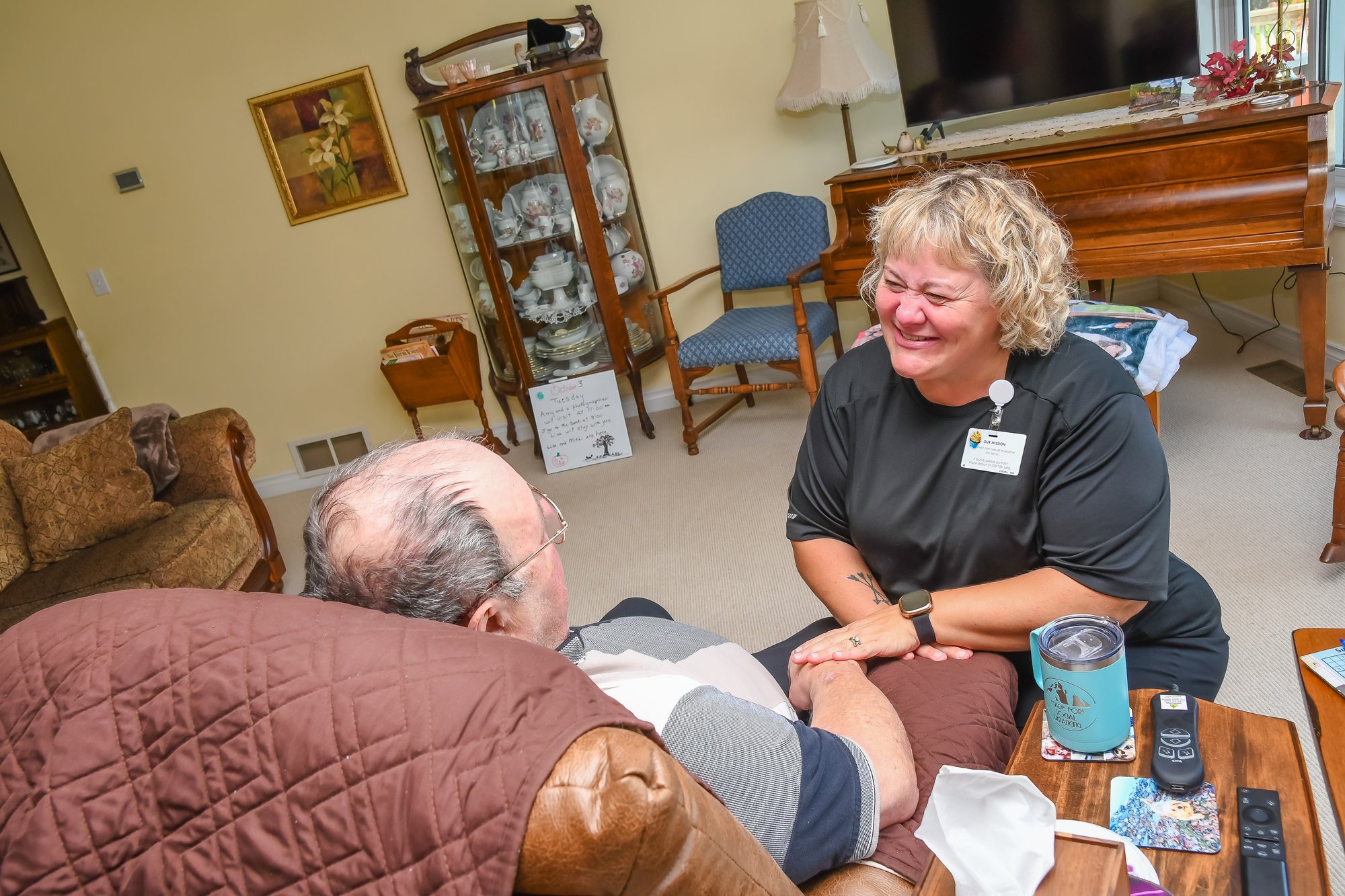
Hospice care provided by Vivie helps you live well wherever you call home. You can receive hospice care in your residential home, an assisted living community, or a skilled nursing setting.
Ways to cover the cost of hospice care

Medicare
Medicare's hospice benefit covers nearly all of the care you need, from medication to equipment, so cost isn't a barrier to comfort.
Medicaid
Medicaid provides hospice coverage modeled on Medicare's, available in every state for those who qualify by income.
Private insurance
Most employer and marketplace health plans include hospice coverage. We'll help you confirm exactly what yours covers.
VA benefit
Veterans enrolled in VA health care can access hospice support at little to no cost.

Questions about hospice care?
Our team can walk you through what hospice would look like for your specific situation. No pressure, no commitment—just honest answers.